The Plan


The Plan: Can a mobility-limited, disabled person really drive solo around the globe?

This is a two-year journey: not a quick dash around the planet, but a long, deliberate lap with plenty of chances for things to go gloriously right… or amusingly wrong.

It all started with a simple question: what are the absolute essentials I need to make this remotely possible?

First, I needed a van that could be converted into a camper.
Second, I needed a trailer to carry all the things I might need and all the things I’ll probably convince myself I need.

So I did the obvious thing: I fell into the YouTube rabbit hole. Properly. Hours of van tours, builds, “mistakes we’ll never make again” videos, and way too many shots of coffee cups on tailgates. This binge had two clear goals:

  • Find the right van.

  • Learn how to turn it into a camper I can operate entirely on my own — with one fully functional arm, one partially functioning arm, and the ability to live completely off-grid when needed.

The first big challenge was finding a van that actually ticked the boxes:

  • Enough space to carry everything needed for a two-year global journey.

  • Enough towing capacity to handle a proper trailer, including long off-grid stretches where there’s no guarantee of power or fresh water.

  • A trailer that’s dual-axle for stability and legal to tow in 33 countries. (Because apparently, every country wants its own opinion on what a trailer should look like.)

After countless van conversion videos and far too much scrolling through “van life” perfection on Instagram, I narrowed it down to the workhorses that can actually do the job:

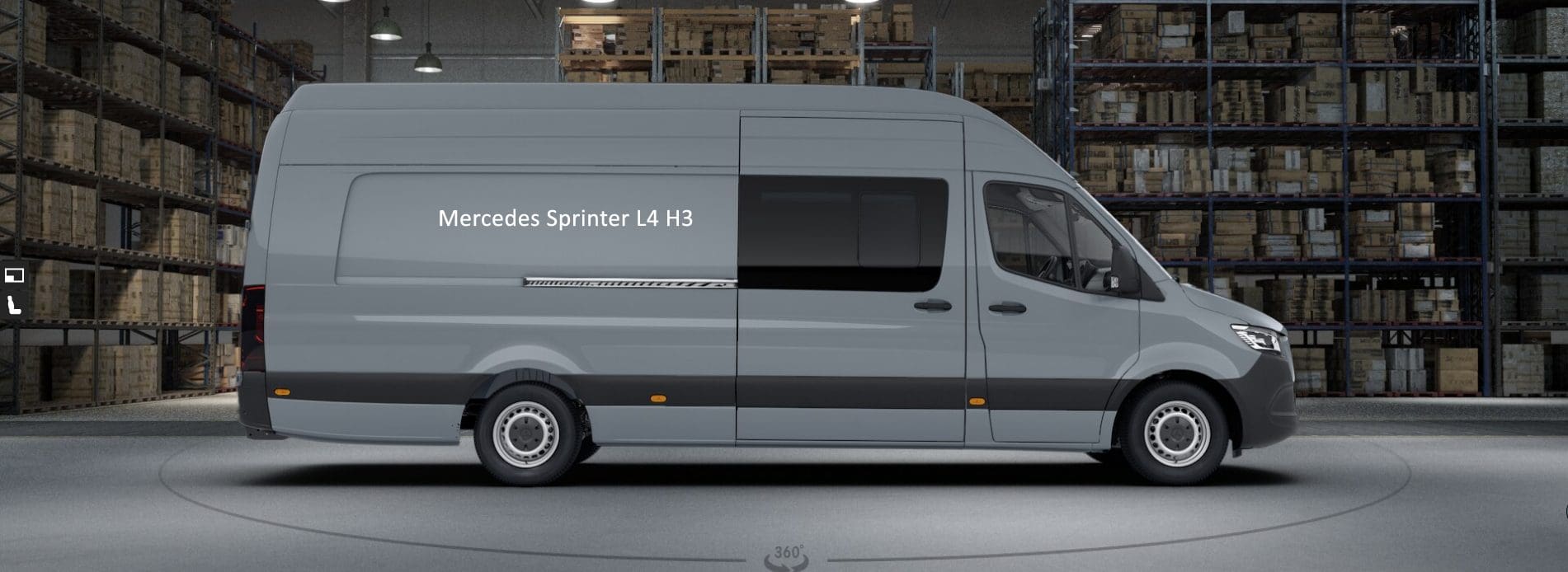
  • Mercedes Sprinter L4 H2

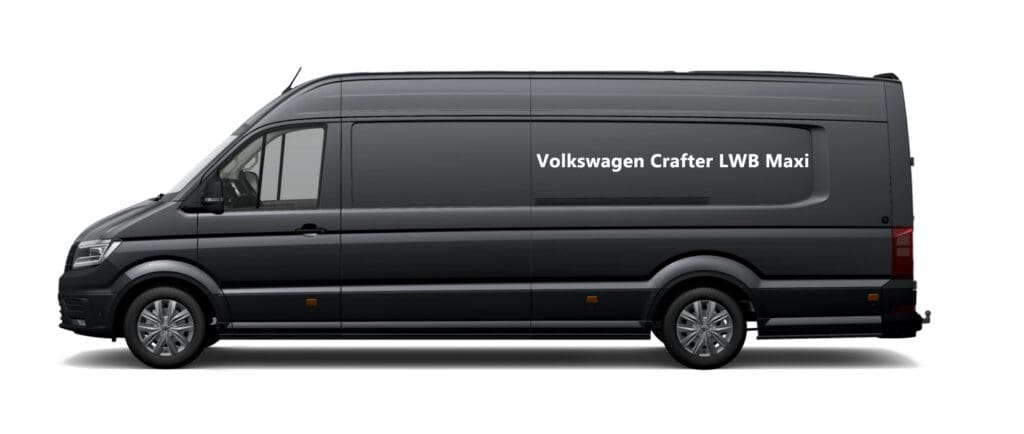
  • Volkswagen Crafter L4 H3 or LWB Maxi (L5 H3)

These are the longest wheelbase models available, with high roofs and at least 1.8m of standing height inside — enough room for me to live, adapt, swear at tight spaces, and design a layout that a solo disabled traveller can realistically operate while driving around the world.

It’s not just a road trip. It’s a two-year test of planning, stubbornness, and creativity — with a van, a trailer, and a body that didn’t exactly read the original instruction manual.

After watching lots of Videos on Van Conversions and trips to Instagram, I decided that the best vans for the Job are the Mercedes Sprinter L4 H2 or the Volkswagen Crafter L4 H3, or the LWB Maxi (L5 H3).

These are the Longest Wheelbase they make and both have high roofs with at least 1.8 meters height inside.
Then came the next challenge: finding a box trailer that could actually keep up with this ridiculous plan.

The trailer had to do a lot more than just follow behind the van looking pretty:

  1. It needed a ramp so I can load and unload my wheelchair without turning every stop into a circus act.

  2. It had to carry all the spare tyres for both the van and the trailer – because breakdowns in the middle of nowhere are only funny if you’re prepared.

  3. It needed room for a 100-litre diesel tank for emergency refills when fuel stations are a distant memory.

  4. It had to have enough internal space for all the gear, tools, and “just in case” items that a two-year global journey demands.

  5. It needed to be capable of running its own 12v auxiliary power system – to power the fuel tank pump, recharge my wheelchair, and keep my 18v equipment batteries topped up.

Not exactly a simple shopping list for “one trailer, please.”

But this is where we got lucky.

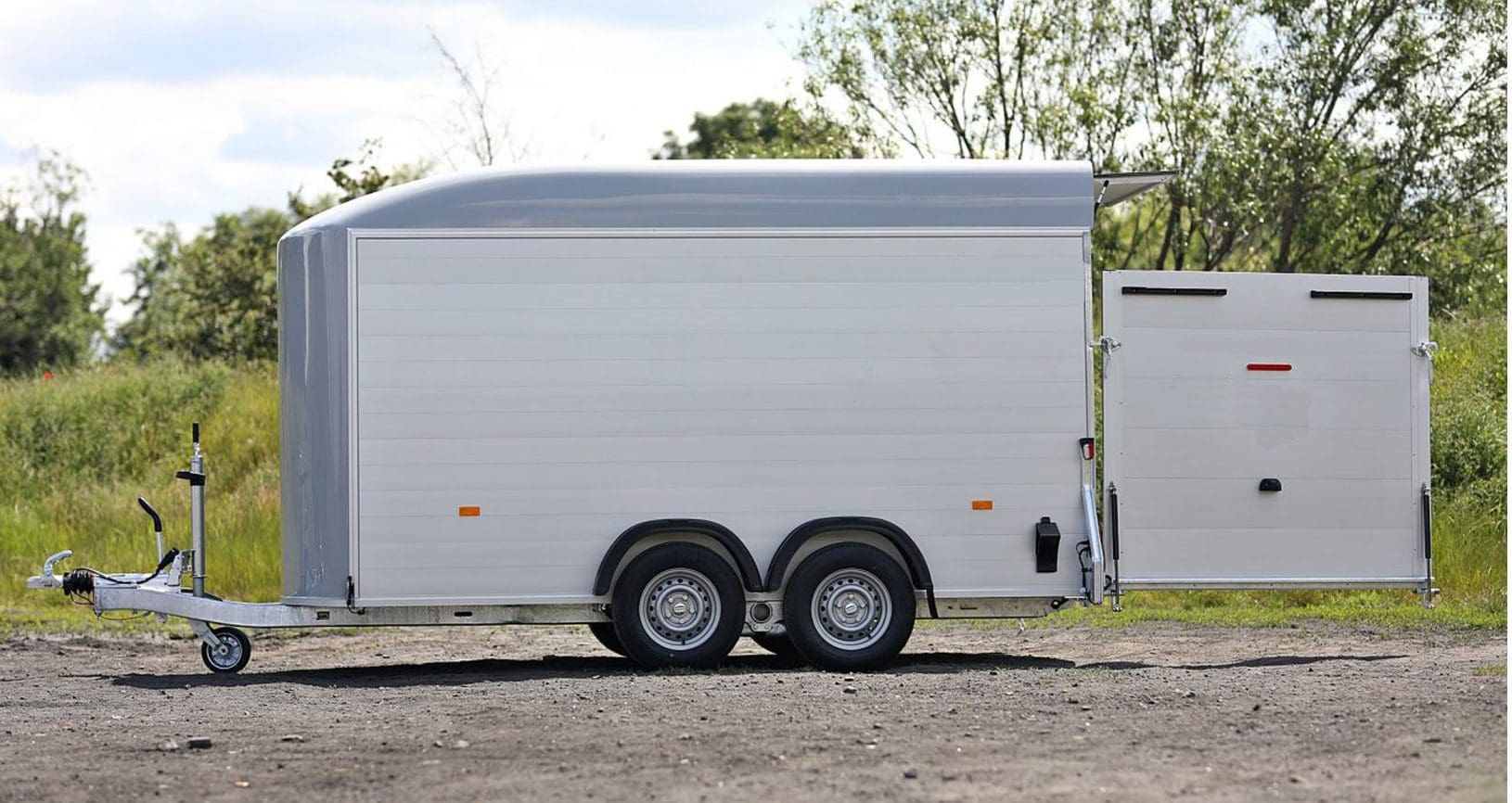
We found a UK company called Debon that makes a 5.5-metre box trailer with a very clever rear door – it opens like a regular door and drops down as a ramp. Add to that a weight capacity in the 2,000–3,500 kg range, and suddenly this wasn’t just a trailer anymore; it was the rolling backbone of the whole expedition.